
seder plate, kid-sized
Instant upcycle for the miniscule percentage of folks for whom both statements apply:
- need a seder plate
- have an escargot plate

seder plate, kid-sized
Instant upcycle for the miniscule percentage of folks for whom both statements apply:

small lulav leaf brushes for bedikat and biur chametz
This quick DIY takes longer to explain than to make. It’s a wee brush for the night and morning before Passover: a riff on the traditional repurpose of using Sukkot’s lulav for the pre-Passover Search and Destroy mission. Continue reading
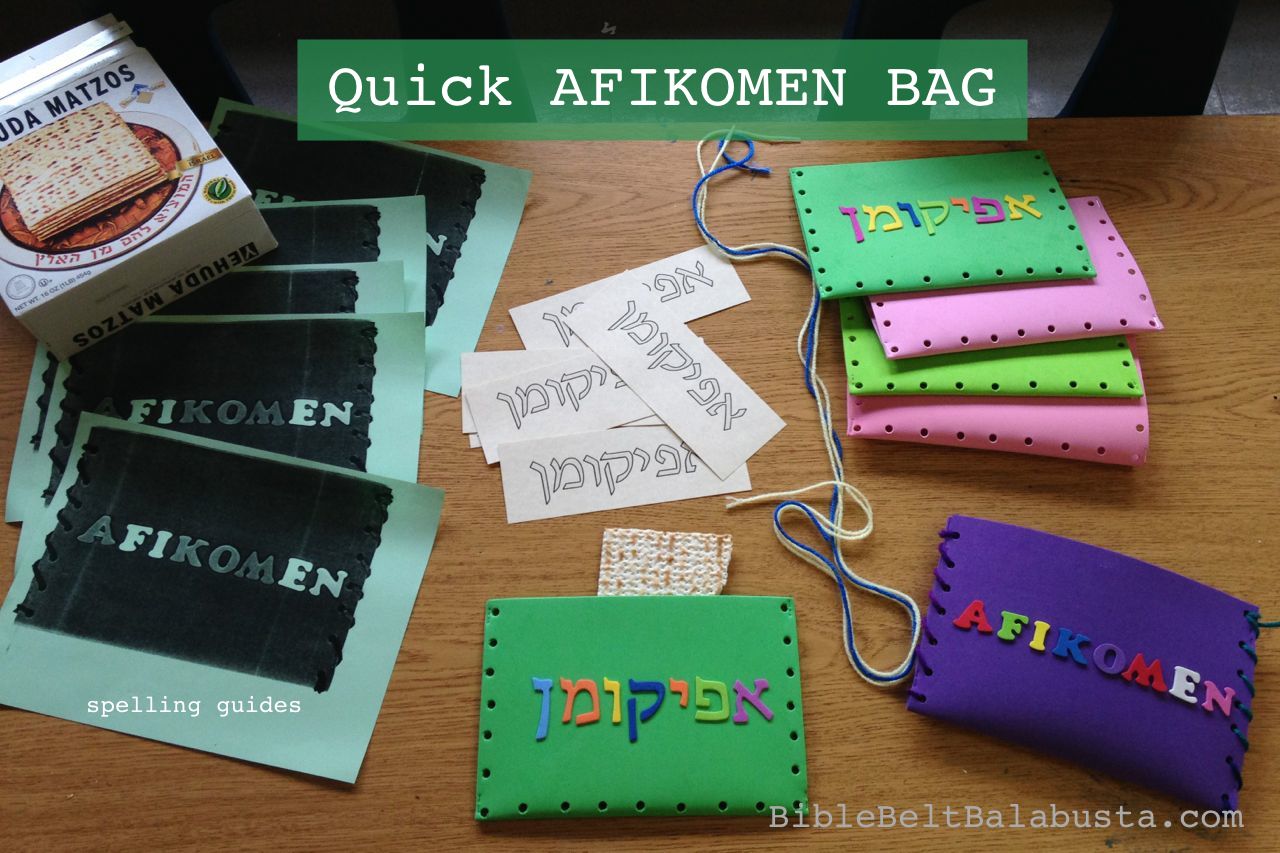
Afikomen bag materials (spelling guide, bag, labels, yarn). The purple one is finished.
Afikoman bag: a seder-centric craft for those of us with 30 minutes or less. It’s practical, decent-looking, durable, and fun for kids to make. Continue reading
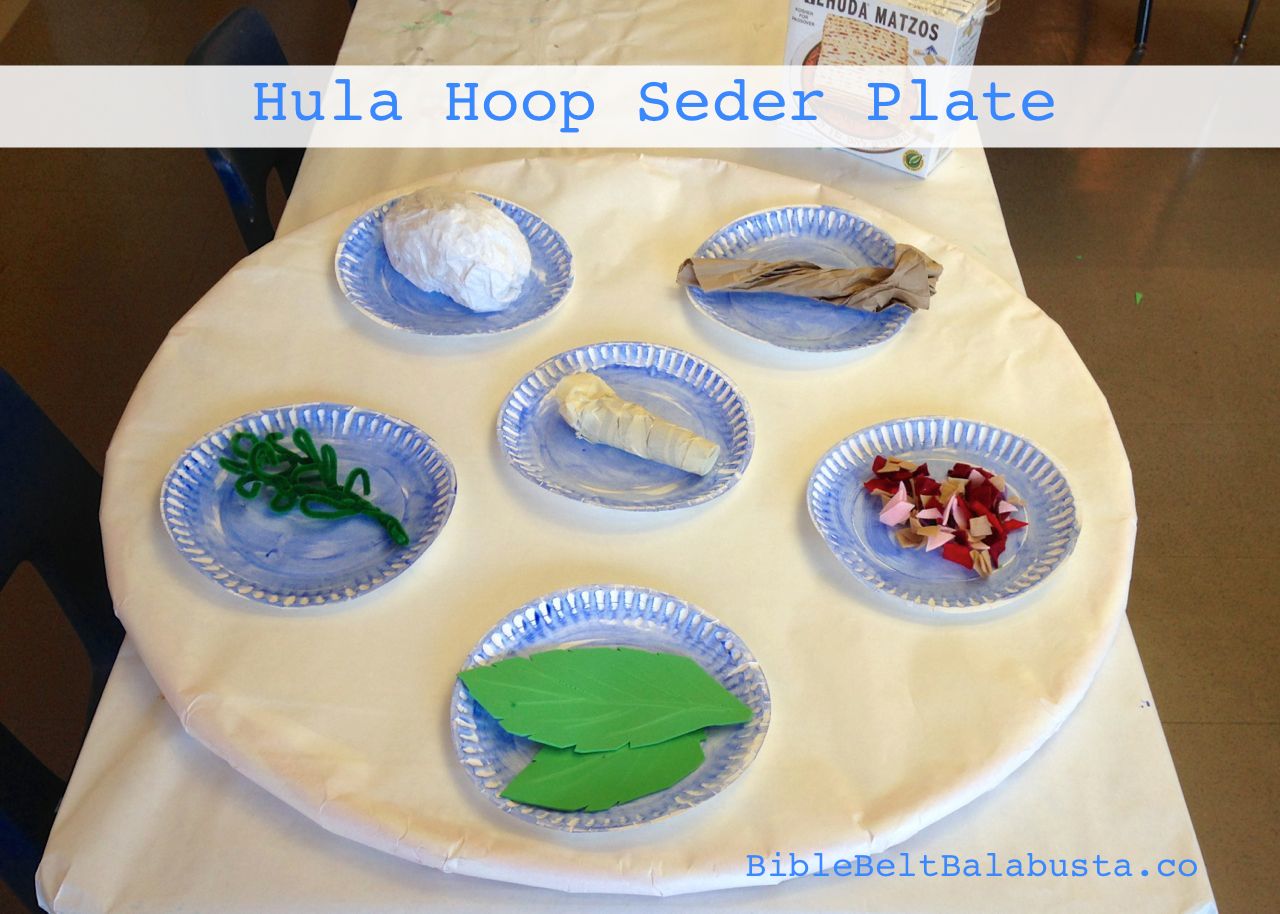
Hula Hoop Seder Plate (scrap art)
A seder plate the size of a hula hoop—because it is a hula hoop—makes an unforgettable project and display. Kids can learn or review the symbolic foods and traditional placement thereof; work individually or in small groups; and create a teaching prop that gets noticed even in cavernous synagogue social halls. Continue reading

what and where?
Where should the seder plate symbols go? Every year I have to look it up, and every year I can’t seem to find a handy-dandy reference. I make seder plates with students—real plates and “enrichment” types with funky materials like LEGO or candy—so proper placement matters. I want to be consistent, and I like to know what tradition says and why. Store-bought seder plates Continue reading
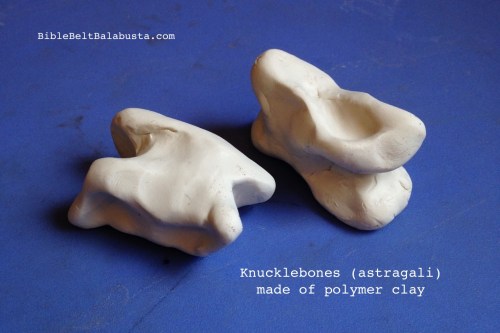
two of my polymer knucklebones for casting lots
Happy Lots! Pur = lot, Purim = lots. That’s “lots” as in what Haman cast or threw to determine the date upon which to kill the kingdom’s Jews. In the Megillah, the lots indicated Adar 14, and thus we eat Haman’s hat / pocket / ear (depending on your translation) on that date ever after. Continue reading
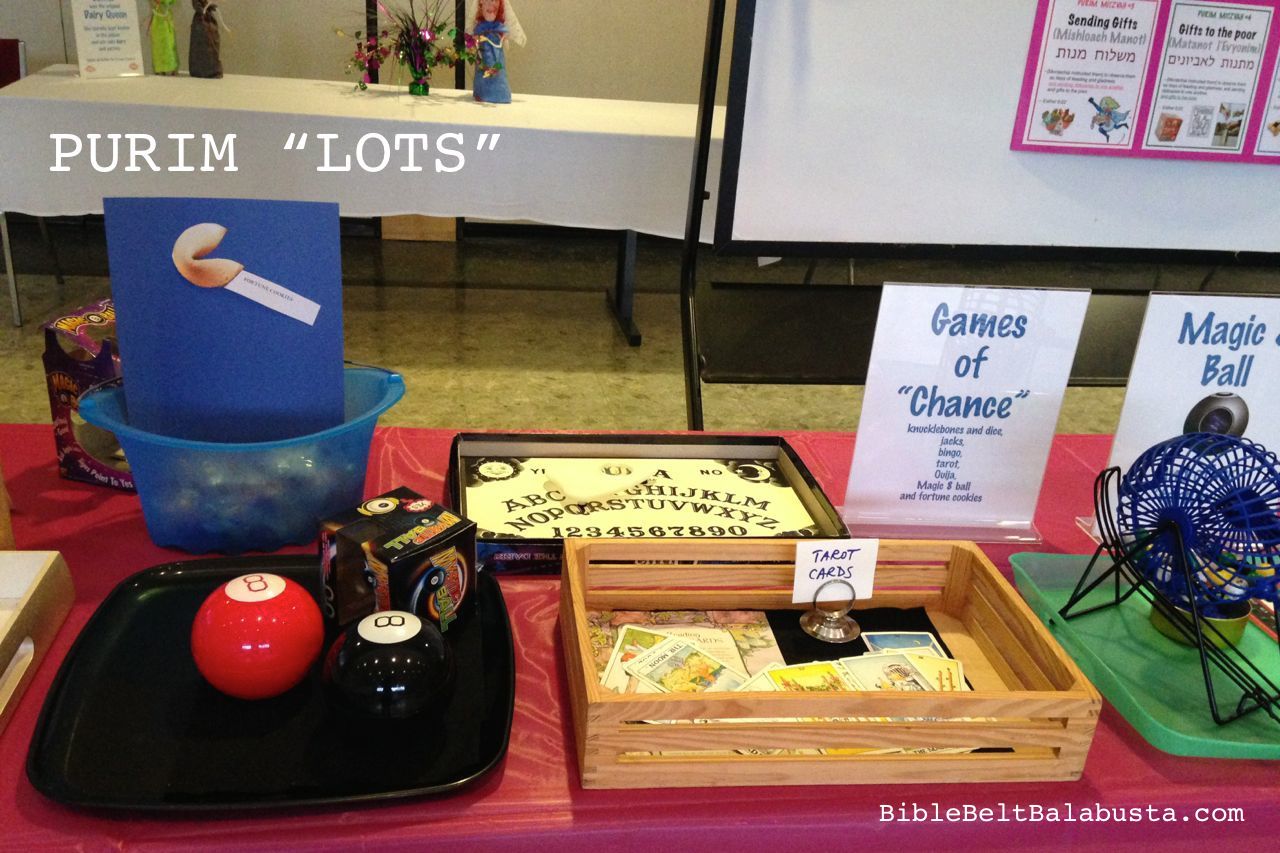
games of chance for casting lots
The name Purim means “lots,” which means absolutely nothing to my students. Lots? Lots of what? Continue reading

mishloach manot bag: ready to fill and send
First, tell me you’ve seen my original post—with quick video—about making these EASY origami mishloach manot bags. Because today’s upcycle is that very same pattern but with newspaper, which makes the bag even cheaper and greener.
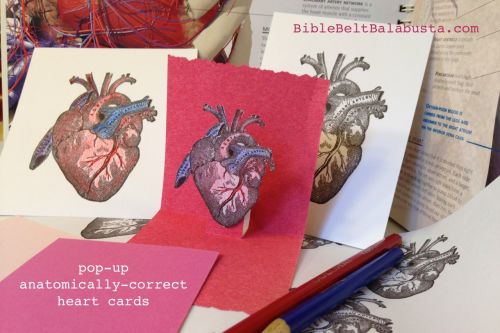
I *anatomically-correct heart* U
Feeling snarky about Valentine’s Day at your kid’s secular school?
Or, are you just a bit bored with craft-foam hearts?
Or, do you worry you might damage yourself and others if you see one more Pinterest board full of cloyingly twee DIY Valentines?
Too bad. Your Jewish kid still has to cough up 18 sealed, unmarked Valentines to distribute at the class party. Continue reading
Posted in Activity, Crafts, Humor, Jewish kids in nonJewish school, Kitsch
Tagged Valentines Day

alef and tav represent the Torah
(DIY chocolate Hebrew letters and a drop of honey = a sweet start.)
Back in the day, a child started cheder (religious school) with a taste of Torah: by licking an aleph-bet slate dribbled with honey. The Hebrew letters symbolized the whole Torah, Continue reading
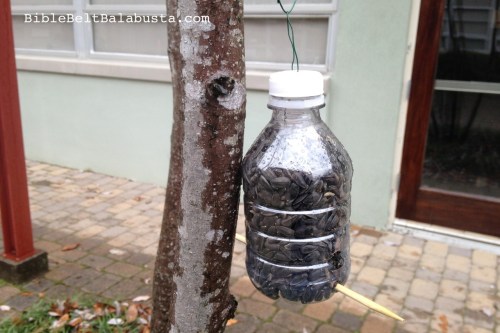
black oil sunflower seed, bamboo perch
Upcycled water bottles as birdfeeders are not new, so why am I sharing this?
Because this morning I sort of perfected them. My class of 2nd graders made a bunch and we had to be quick. So shall I: Continue reading
Comments Off on Upcycled Water Bottle Bird Feeder for Tu B’Shevat
Posted in Activity, Crafts, Nature, Tu B'Shevat
Tagged birds, mitzvah, nature, trees, Tza'ar Ba'aley Hayim

arranging our pressed, fall leaves
A giant, collaborative leaf-rubbing print for Tu B’Shevat. We tried this in Kindergarten last Sunday and it worked. Gorgeous. And, we still had time to make individual leaf-rubbing prints to take home. The 9-foot banner will hang at the school entrance to welcome students and visitors at Tu B’Shevat. Continue reading
Things I did not anticipate at yesterday’s Kosher Grocery Quiz: 1) despite being Southern, our little Jewish kids had no idea what “pork rinds” were and did not think them hilarious, and 2) every single child assumed the “silver polish” was something ladies do to fingernails.

without exception, every child looked for the hecksher
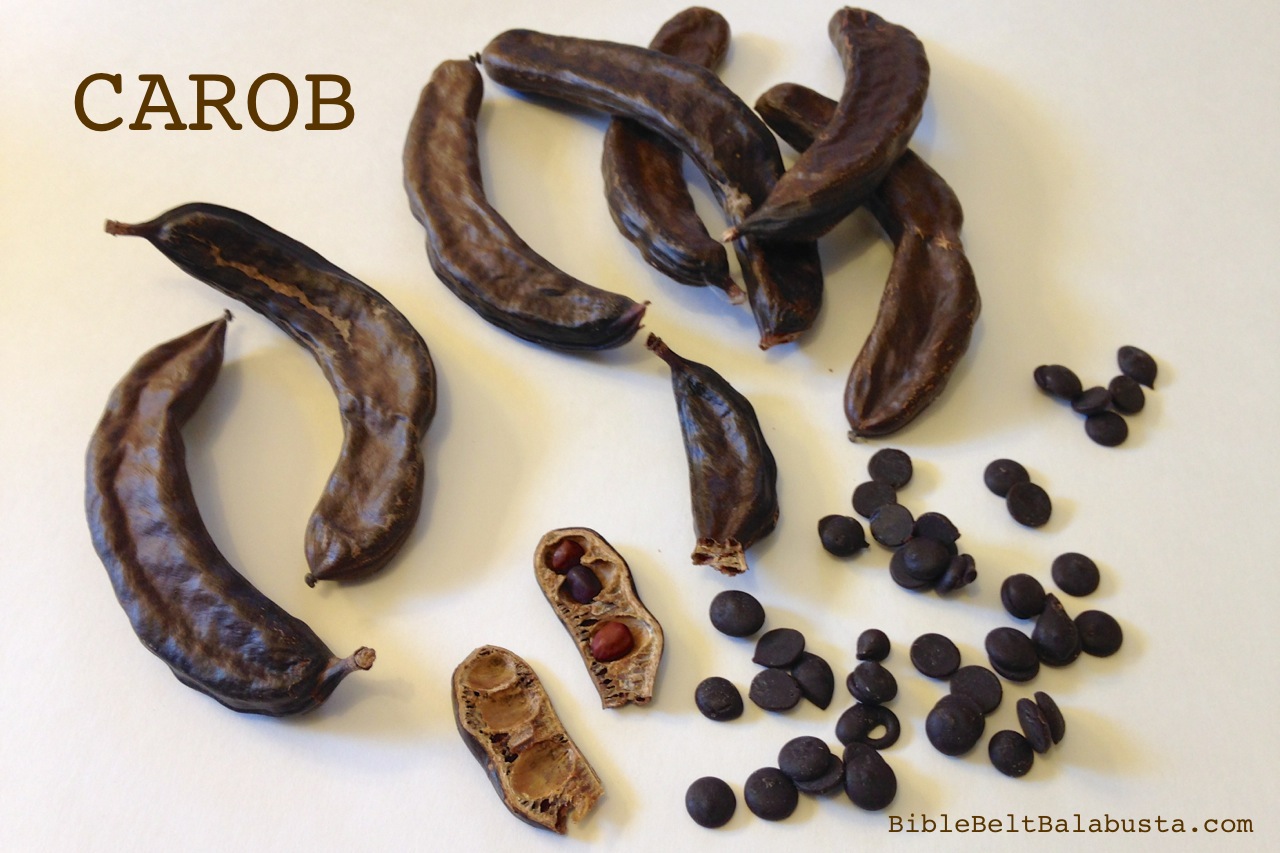
carob pods, seeds and chips
Carob pods and carob chips for a taste (and smell and sound and sight and touch) of Tu B’Shevat.
Carob is a biggie for Tu B’Shevat. It’s a tree fruit native to the Land of Israel, it’s de rigeur at a Tu B’Shevat seder, and it’s part of the story about Honi the circle-maker lots of us read aloud on Tu B’Shevat. Continue reading

Torah breastplate upcycle (from frozen food packaging)
When my husband brought home the wrong brand of kosher pigs-in-a-blanket, I opened the box, slid the frozen contents onto the formica, and nearly plotzed.
It doesn’t take much, I can hear you thinking.
But truly, look at the plastic tray. Albeit designed to keep mini franks from merging into one giant maxi frank, it is an instant and entirely unintentional Torah scroll / priestly breastplate. An accidental choshen.

screwdriver pokes
Torx screws are wee Stars of David. Have you seen them? If you’ve peed at a urinal you have. Or if you’ve waited for your preschooler inside a public loo. (In both cases, the screws are at about eye level). Torx screws are part of most public bathroom installations because they are fabulously functional. Torx don’t “strip out” as easily as do Phillips or slotted screws, because the design resists torque. There’s more to grip and less room to slip.
This anti-slip head design just happens to be a 6-pointed star: the Mogen David. Who knew the logo on the shield of an ancient king of Israel would be so darn practical? Continue reading

LEGO Return of the Jedi minifig menorah
Hanukkah and Star Wars. Both stories involve Rebels vs. an Imperial Army. Both stories incite argument about what is in the “canon” and what isn’t.* Continue reading

K’NEX dreidel and launcher
A K’NEX dreidel launcher. Because people tell me that dreidels can get boring. Continue reading
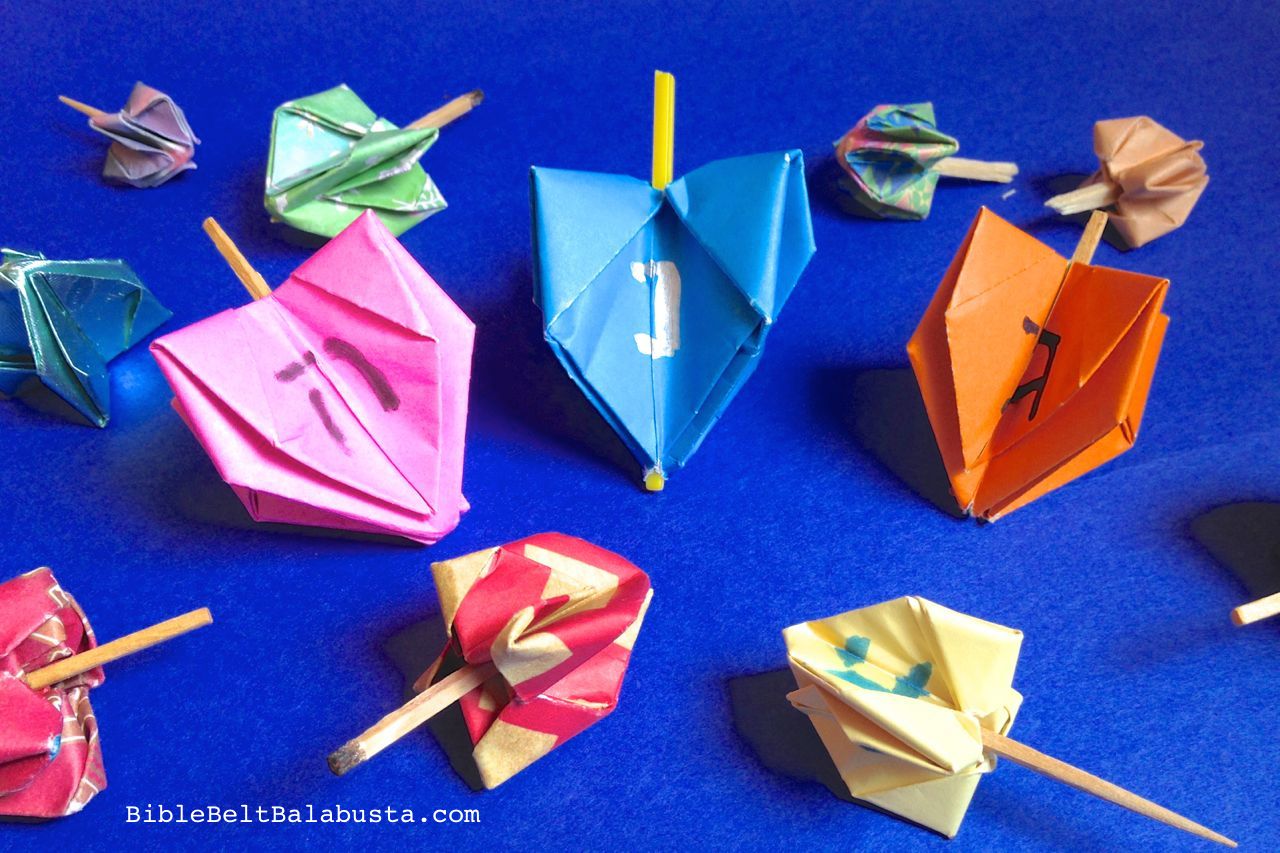
Spinning “Dreidl” models
A 3-D paper dreidel that spins can attract kids who normally run the other way when they see origami on offer. It moves. Continue reading
Motivated by news that a friend’s child-crafted Model Magic menorah caught fire last night, I offer some tips. Not in the superior tone of the irksome “You’re Doing It Wrong” trend, but as a fellow parent of children who come home from Sunday School clutching hand-made Judaica meant to contain naked flame. Continue reading
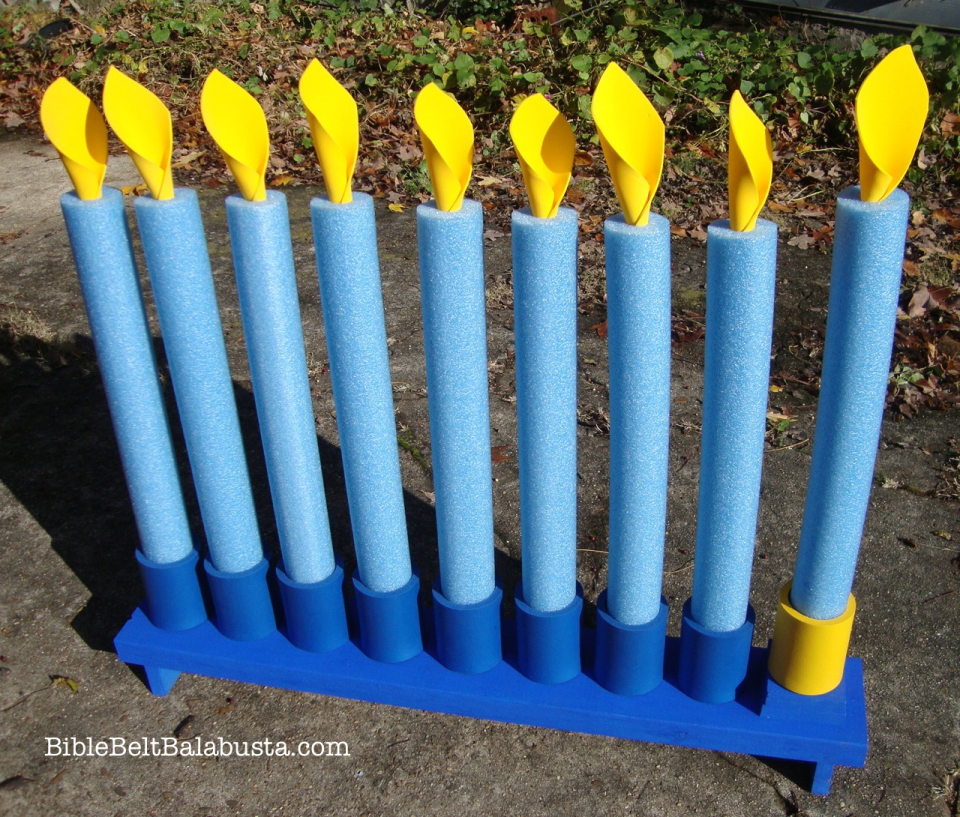
Swim Noodle Menorah


LEGO Gragger
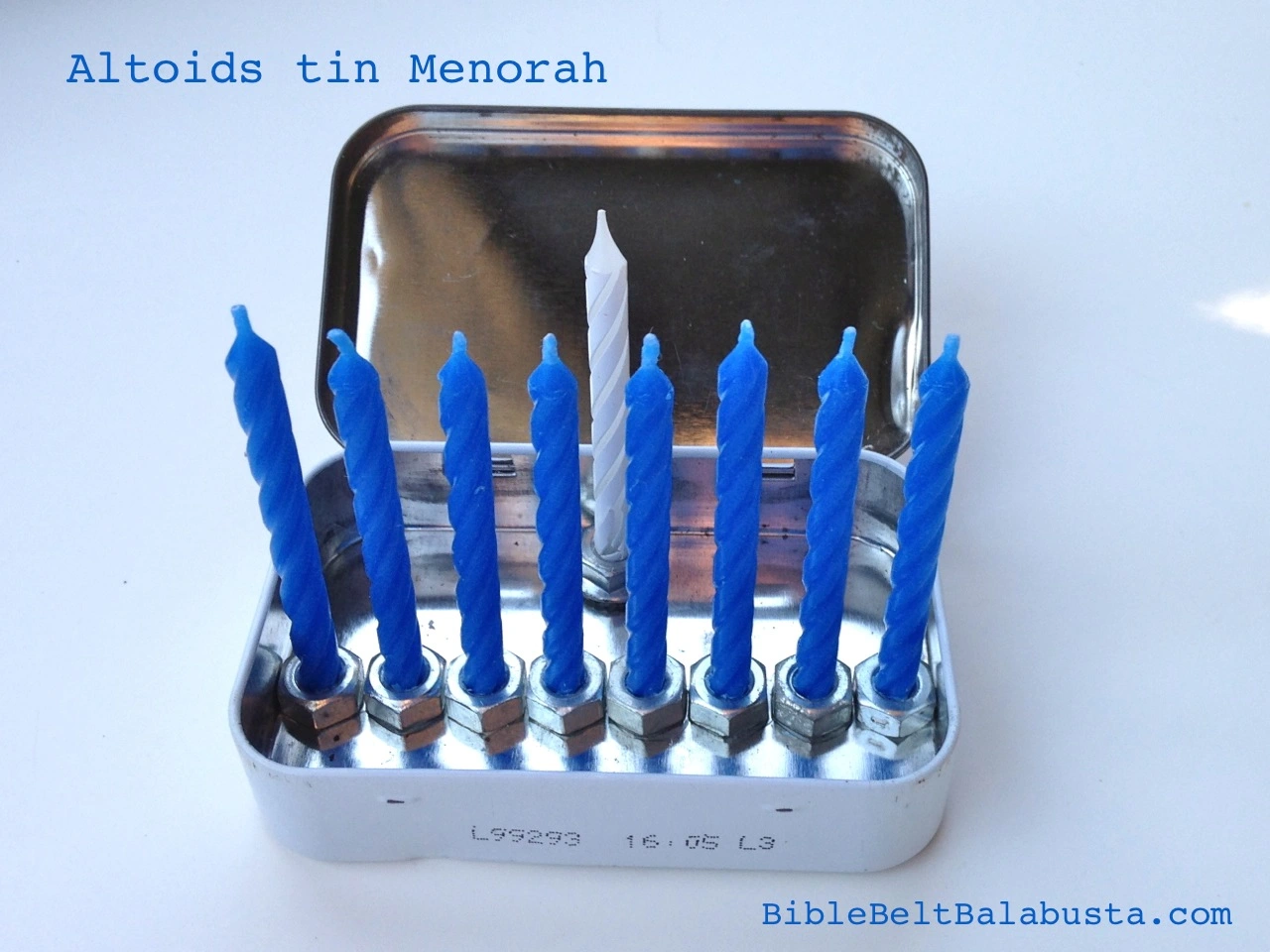
Altoids tin travel menorah

Spin it, Eat it: The Caramel Dreidel

Edible dreidels, regular and mini

Jonah and the Whale Cracker

DIY Lego Mezuzah

PEZ + Mezuzah = PEZuzah

Menurkey (repurposed figurine)

© Bible Belt Balabusta by Joanna Brichetto, 2008-2024. Unauthorized use and/or duplication of this material without express and written permission from this blog’s author and/or owner is strictly prohibited. Excerpts and links may be used, provided that full and clear credit is given to Bible Belt Balabusta and Joanna Brichetto with appropriate and specific direction to the original content.
BibleBeltBalabusta.com © 2024 by Joanna Brichetto is licensed under CC BY-NC-SA 4.0 


DIY LEGO dreidel

LEGO minifig Passover seder table




 Tumblr
 Bible Belt Balabusta
